


Winnie the Pooh, the lovable bear with a fondness for honey, has been capturing hearts for nearly a century. First introduced in A.A. Milne’s classic stories in the 1920s, the Winnie the Pooh character has since become a timeless figure in children’s classics. Milne’s enchanting tales of friendship, adventure, and simple joys resonate across generations, providing valuable life lessons for readers of all ages. Over the years, Disney’s Winnie the Pooh adaptations have brought these stories to life, cementing Pooh and his friends from the Hundred Acre Wood as beloved icons in popular culture. Join us as we explore the heartwarming and insightful lessons we can all learn from Winnie the Pooh, a character whose wisdom is just as sweet as his love for honey.
1. The Importance of Friendship
Winnie the Pooh is, at his core, a story about the bonds of friendship. From his adventures with Piglet and his gentle attempts to cheer up Eeyore, Pooh teaches us that true friendship is not about grand gestures, but about being there when it matters most.
In Winnie the Pooh and the Blustery Day, we see Piglet, small and easily frightened, offer to sacrifice his home to shelter Owl after a storm. Pooh, though slightly oblivious, honors this selfless act by recognizing the deep love and care Piglet shows. This story reflects how Winnie the Pooh friendships are rooted in kindness, loyalty, and the understanding that being a good friend sometimes means putting others before yourself.
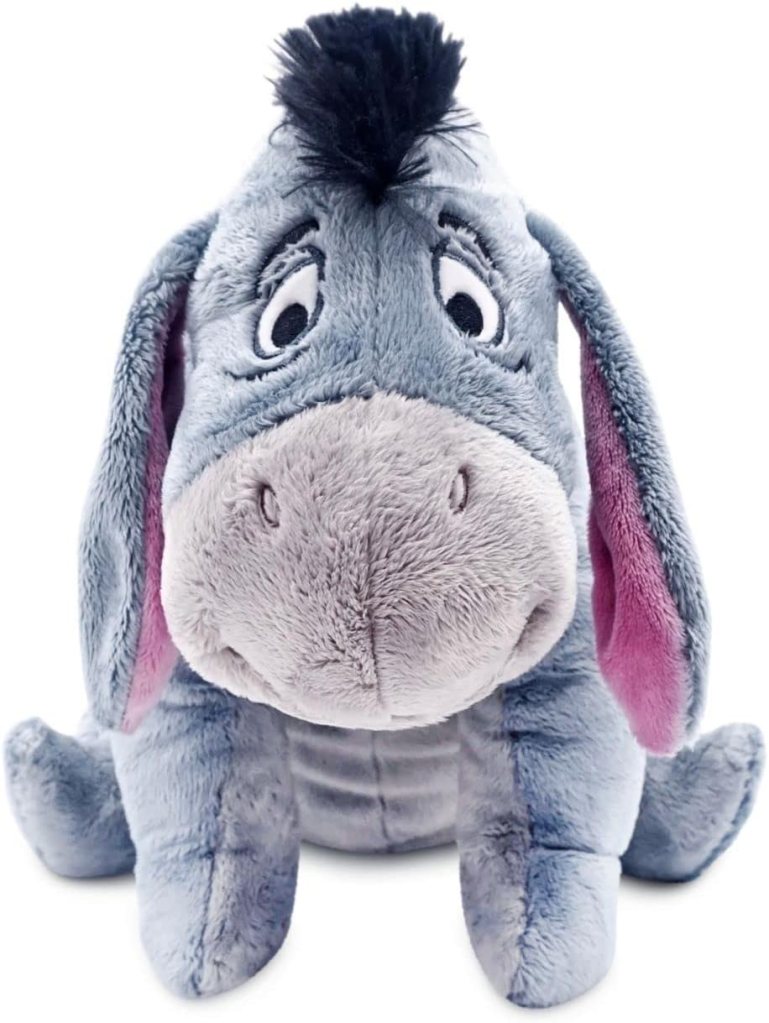
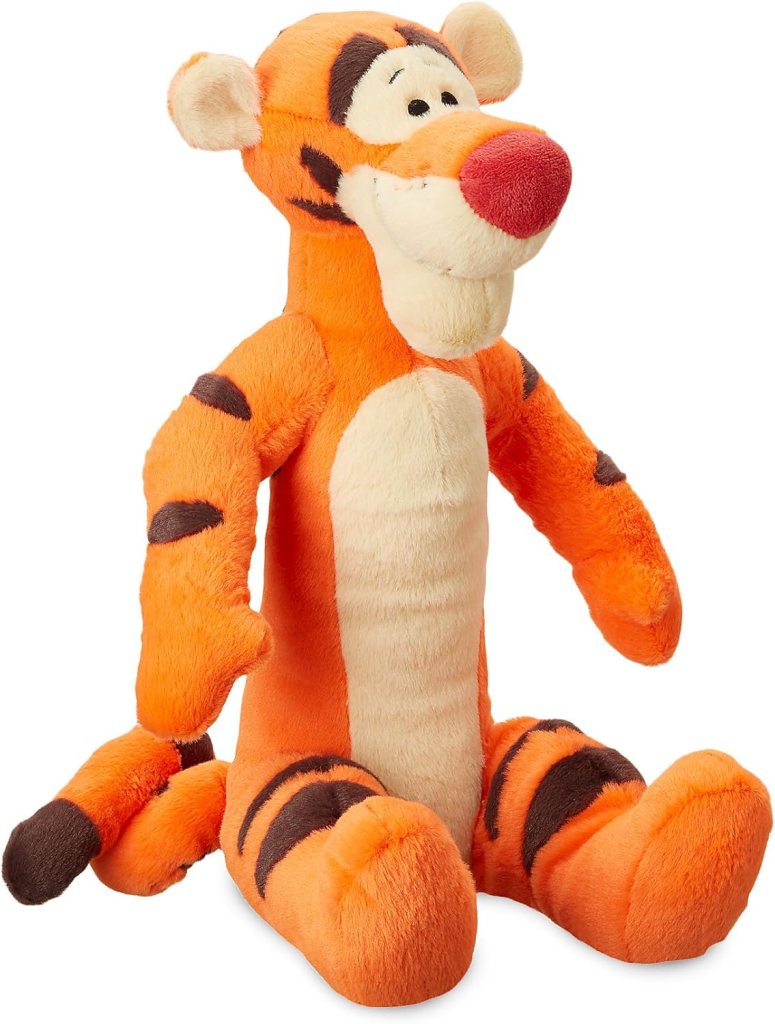
No matter how small or insignificant one might feel, friendship has the power to make anyone feel important. Disney’s Winnie the Pooh beautifully portrays how the quiet, introverted Piglet, or the gloomy Eeyore, matter just as much to their group as the bouncy Tigger or the wise Owl. Pooh’s unwavering acceptance of his friends, despite their quirks, reminds us that the key to friendship is embracing our loved ones just as they are.
2. Enjoying the Simple Things in Life
One of the most endearing qualities about Pooh is his ability to find joy in the simplest things. Whether it’s a pot of honey, a walk through the woods, or spending time with his friends, Pooh never needs much to feel content.
In Winnie the Pooh and Some Bees, Pooh’s entire day revolves around getting a pot of honey. It’s a simple quest, but for him, it’s enough. Pooh’s delight in something as ordinary as honey reminds us to find joy in life’s small pleasures. In today’s fast-paced world, it’s easy to get caught up in the pursuit of more—more success, more possessions, more validation. But Pooh shows us that life doesn’t need to be complicated to be fulfilling. A quiet moment with a cup of tea, a sunset, or even time spent with loved ones can bring happiness.
As adults, we sometimes forget to stop and appreciate the little things. Pooh’s love for these moments reminds us that we don’t need grand experiences to feel contentment. By focusing on what brings us simple joy, we can find more peace and fulfillment in our daily lives.
3. Patience in Problem-Solving
Winnie the Pooh isn’t known for his quick thinking or clever problem-solving, but his patience and calm demeanor often lead to solutions. In Pooh Sticks, Pooh and his friends play a simple game of dropping sticks into the river and watching them float under the bridge. When the game doesn’t go as expected, instead of getting frustrated, Pooh patiently waits and watches. Eventually, he learns that sometimes, letting things take their course is the best way to handle them.
In our lives, we often rush to find answers and get frustrated when things don’t go as planned. But Winnie the Pooh patience teaches us that not every problem needs an immediate solution. Sometimes, the best way to approach a challenge is to take a step back and give it time. By doing so, we can avoid stress and frustration, and often find that the solution presents itself in ways we didn’t expect.
Pooh’s calm, almost absent-minded approach to problem-solving might seem naïve, but it’s a gentle reminder that we don’t need to always have the answers right away. By embracing patience, we can allow life’s natural flow to guide us to solutions we might have overlooked in our haste.


4. Kindness Towards Others
Kindness is one of the most enduring lessons we can take from Winnie the Pooh. Pooh’s world revolves around the simple act of caring for his friends, whether it’s offering Piglet a comforting hug or searching for Eeyore’s lost tail.
In Winnie the Pooh and the Honey Tree, after Pooh eats all of Rabbit’s honey, Rabbit gets understandably upset. But Pooh, in his innocence, doesn’t realize the inconvenience he’s caused. Later, Rabbit forgives him, showing that kindness can sometimes mean letting go of small annoyances for the sake of friendship. This moment reflects how Pooh’s empathy teaches us that even when others may unintentionally hurt us, responding with kindness can strengthen our relationships.
Whether through small acts of generosity, like sharing a pot of honey, or larger efforts, like saving a friend in need, Pooh and his friends remind us that kindness doesn’t need to be extravagant—it can be as simple as being there for someone. Disney’s Winnie the Pooh series has countless examples of how the characters uplift and support each other, teaching viewers the value of kindness in a world that sometimes forgets how powerful it can be.
5. Embracing Your Flaws
Winnie the Pooh and his friends are far from perfect. Pooh is forgetful, Piglet is shy, Eeyore is gloomy, and Tigger is overly energetic. But the beauty of Winnie the Pooh lies in how these characters embrace their flaws rather than hiding them.
In The Many Adventures of Winnie the Pooh, Pooh’s forgetfulness and clumsy nature cause him to make mistakes, like getting stuck in Rabbit’s door after eating too much honey. But instead of feeling ashamed, Pooh accepts his flaws with a sense of humor. His friends, in turn, accept him just as he is. This reflects an important lesson for all of us: we don’t need to be perfect to be loved and valued.
In our own lives, we often feel the pressure to hide our imperfections or present ourselves as “put-together.” But Winnie the Pooh’s flaws show us that our quirks and imperfections make us who we are. By embracing them, we can lead more authentic and fulfilling lives, surrounded by people who love us for who we truly are.
Conclusion
Winnie the Pooh’s simple wisdom transcends generations, reminding us of the core values that make life meaningful. Whether it’s the importance of friendship, the joy in life’s simple moments, or the power of kindness, Winnie the Pooh life lessons remain timeless. As we go through life’s ups and downs, Pooh’s calm, patient, and loving approach to the world offers us all something to aspire to. So next time you find yourself stressed or overwhelmed, take a moment to think like Pooh—embrace the present, appreciate your friends, and remember that life, in all its simplicity, is sweet enough.




 Cluttered Corner
Leave a comment